

Great flavor doesn’t always come from complex recipes or expensive ingredients. Often, it’s the small habits and techniques that make the biggest difference. With a few simple adjustments, everyday cooking can taste richer, more balanced, and more satisfying.
Season Properly and at the Right Time
Seasoning is one of the most misunderstood aspects of cooking.
How to Season for Better Flavor
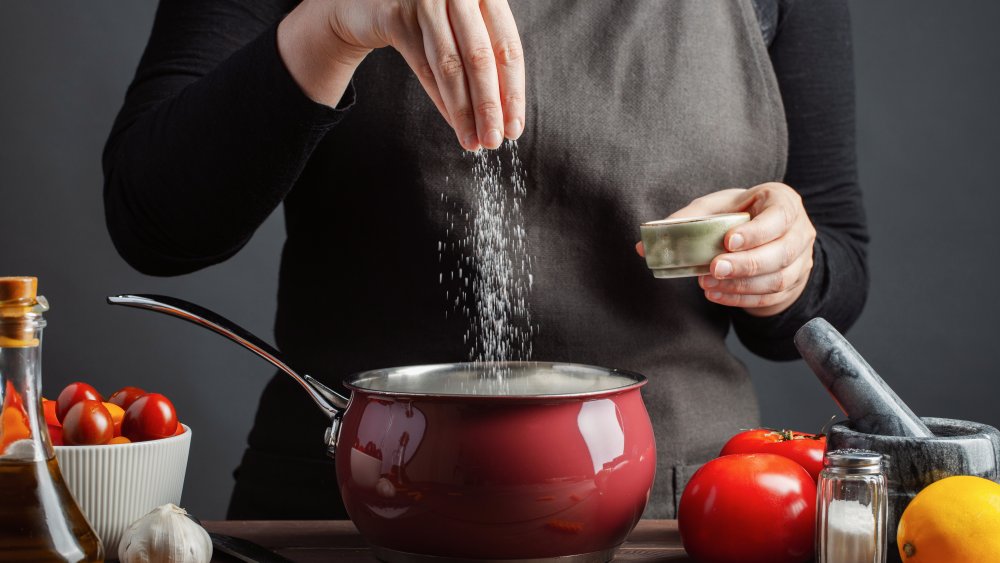
- Add salt gradually, not all at once
- Season throughout the cooking process, not just at the end
- Taste often and adjust as you go
Salt enhances natural flavors, while proper timing prevents dishes from tasting flat or overly salty.
Use Fresh Ingredients Whenever Possible
Fresh ingredients carry stronger, cleaner flavors.
Ingredients That Make a Big Impact When Fresh
- Herbs like basil, cilantro, and parsley
- Garlic and ginger
- Citrus fruits for zest and juice
- Vegetables in season
Fresh elements add brightness and depth that dried or older ingredients often lack.
Don’t Skip Proper Heat Control
Heat management can instantly change how food tastes.
Why Heat Matters
- High heat creates browning and caramelization
- Low heat allows flavors to develop slowly
- Uneven heat can cause bitterness or blandness
Avoid overcrowding pans so ingredients sear properly instead of steaming.
Learn to Balance Flavors
Great dishes balance salt, fat, acid, and sweetness.
Simple Ways to Fix Bland Food
- Add a splash of lemon juice or vinegar
- Finish with a drizzle of olive oil or butter
- Balance sweetness with acidity
- Use spices sparingly but intentionally
Small adjustments can completely transform a dish.
Toast Spices and Aromatics
Dry spices release more flavor when lightly heated.
How to Boost Aroma and Depth
- Toast whole spices briefly before grinding
- Sauté onions, garlic, or ginger until fragrant
- Avoid burning, which creates bitterness
This step adds warmth and complexity with minimal effort.
Taste as You Cook
Tasting isn’t optional—it’s essential.
Benefits of Tasting Regularly
- Prevents over-seasoning
- Helps adjust balance early
- Builds confidence and intuition
Chefs rely on tasting because no recipe can account for every variable.

Let Food Rest Before Serving
Resting allows flavors to settle and textures to improve.
When Resting Matters Most
- Grilled or roasted meats
- Stews and curries
- Baked dishes
Even a few minutes can improve juiciness and overall flavor.
Finish With Texture and Contrast
Flavor isn’t just taste—it’s experience.
Easy Finishing Touches
- Fresh herbs or citrus zest
- Crunchy toppings like nuts or seeds
- A final drizzle of sauce or oil
Contrast keeps dishes interesting and memorable.
Frequently Asked Questions
Why does restaurant food taste better than home-cooked meals?
Restaurants focus on seasoning, heat control, fat usage, and finishing touches that many home cooks overlook.
Is salt the most important seasoning?
Salt is essential, but balance with acid, fat, and spices is what creates great flavor.
Can dried herbs still improve flavor?
Yes, but they should be used earlier in cooking so their flavors have time to develop.
How do I fix food that tastes too salty?
Add acid, unsalted liquid, or bulk ingredients like rice or vegetables to rebalance flavor.
Does tasting food really make that much difference?
Absolutely. Tasting helps you adjust seasoning and balance before it’s too late.
Are expensive ingredients necessary for better flavor?
No. Technique matters more than price in most cases.
What’s the easiest tip for beginners to apply right away?
Season gradually and taste often—it improves almost every dish instantly.
Improving flavor doesn’t require culinary school or complicated recipes. By focusing on timing, balance, and attention, simple cooking habits can turn ordinary meals into consistently delicious ones.
Comments are closed.